











Faced with the proliferation of AI, school officials have taken a variety of approaches to the new technology – trying to draft an acceptable use policy, implementing blocks on student devices, and experimenting with different types of AI to see what could work most effectively in a classroom.
“We’re wrestling with trying to come up with a policy that protects academic integrity,” said Branford Public Schools Superintendent Christopher Tranberg told The Branford Buzz during a recent interview. “We want there to be voices at the table, the district, we’ve been trying for the past two years since my first year to get a guiding coalition together.”
With the importance of regulation and educational probity on the line, Tranberg emphasizes the gravity of having a policy in place.
“Right now we need a policy, and without a policy the water’s murky. There aren’t many rules other than academic integrity, which is the rule that we’re letting guide our practice,” he said.
To establish a blueprint of what is ethical and effective regarding AI in education, a group of 10 administrators that are part of a consortium run by ACES (Area Cooperative Educational Services) have been learning about the best ways to approach creating a policy that fits for our schools, Tranberg said.
“The experience that our team is having so far is that they’re learning about a lot of the different options … but these are things we already knew existed,” Tranberg said. “It’s not helping so much yet with what’s the policy frame that we want to take.”
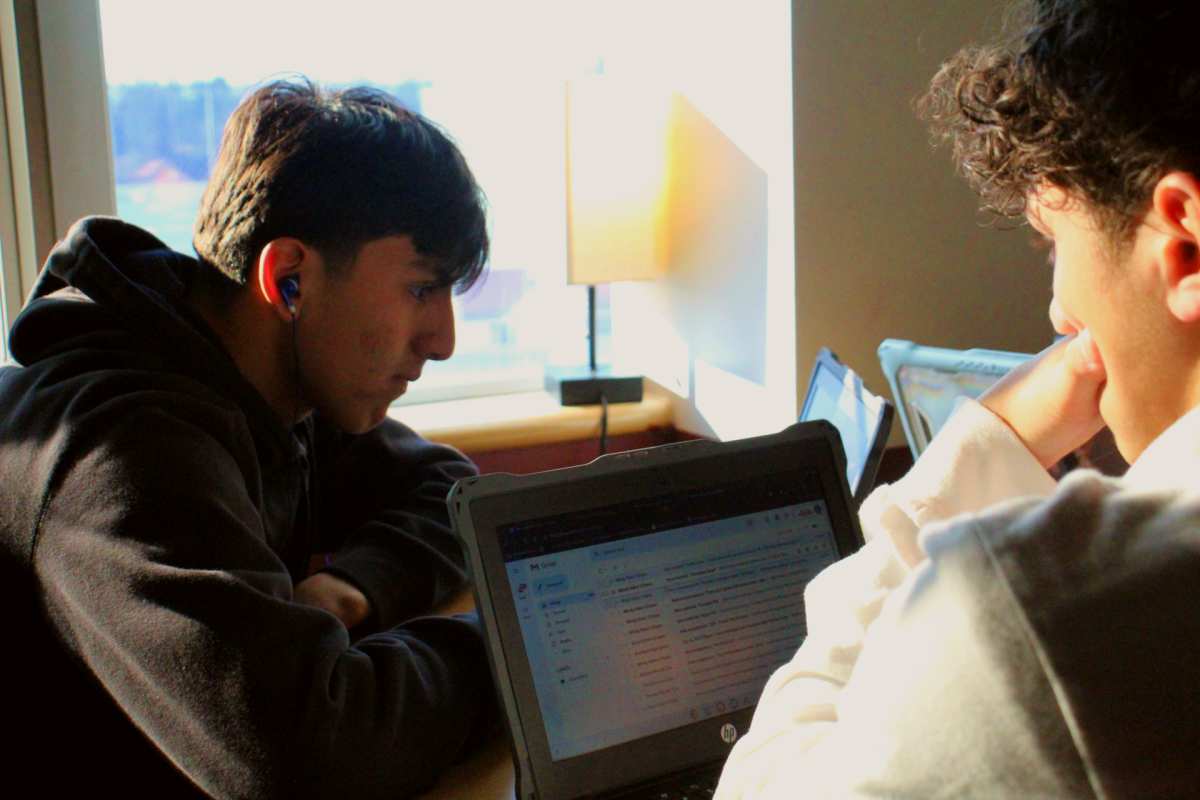
While school officials grapple with drafting a new policy, the technology department has been running behind the scenes throughout this school year on restricting tools and websites on school-issued chromebooks that are not educationally sound.
“Our priority as of right now is [online] safety,” said Technology Coordinator Ryan Hart.
Video game websites, AI chatbots, YouTube, and many others have been included in the blocking undertaken by the department.
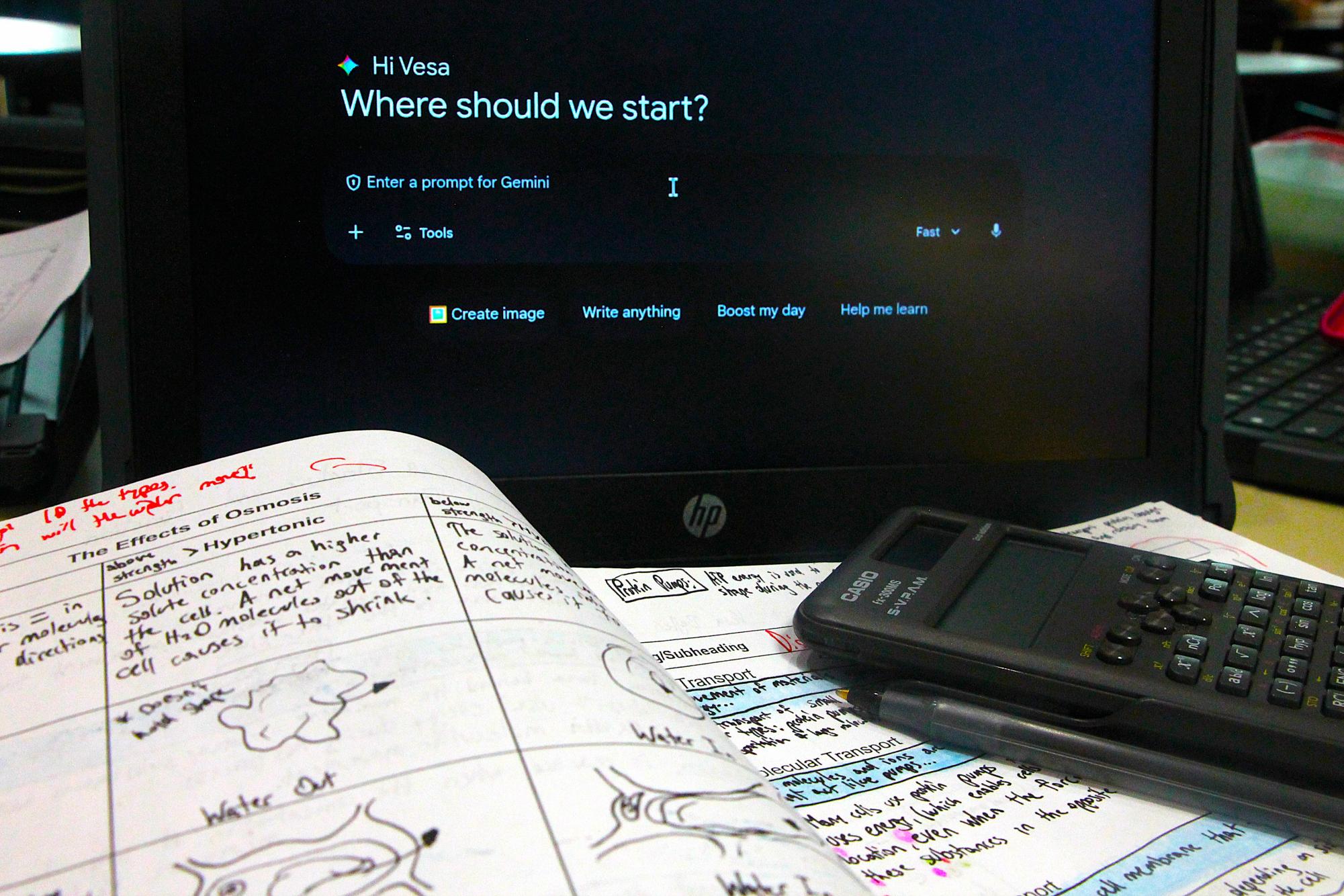
Unexpectedly, Gemini, Google’s AI agent, was not included in the blocking spree. Tranberg explained the reason behind this in a recent interview with The Branford Buzz.
“The challenge in any school, but Connecticut specifically, is that we have very strict student data privacy laws when it comes to technology, and we’re waiting for Google to become compliant with the Connecticut data laws,” said Tranberg.
“My prediction is that once Gemini is compliant… it’s going to be the key for the state to go that route because it will likely be free. What we have access to right now is compliant, but to go the full all-in, there’s still a couple of things that have to get done.”
The superintendent’s prediction lines up with a recent announcement made to Branford Public Schools staff by the Director of Technology Operations Tom Pisani, announcing that Gemini AI is now available for use within the district’s Google Workspace for Education environment.
With Gemini AI fully integrated in the school’s Google digital suit, efforts at developing a tool that could limit AI unpredictability within school are still outstanding standing. While no known action is currently being taken by the technology department or administration to develop a new tool of such function, there is evidence of prior experimentation of this in Branford High School.
In 2024, a senior year project was carried out by BHS alumni Deivis Bejleri, and former head of the technology department Robert Kovi. The project focused on writing a research paper in the interest of students, parents, and teachers on an AI wrapper to be implemented in schools, and how it would work.
Tests were carried out and meetings were held, with a small task force of teachers and students being asked to help try out the chatbot wrapper, Securly AI.
When asked about the continuation of the project, Hart said further research was not carried out in the years following the project after the students’ graduation and Kovi left his position in Branford Public Schools.
Opinion-wise, teachers and administrators are both concerned with trying to resolve the best possible outcome of this situation, however their ideals seem to look slightly different from each other, with teachers leaning more towards the technology’s benefits, and with administration raising concern of its use.
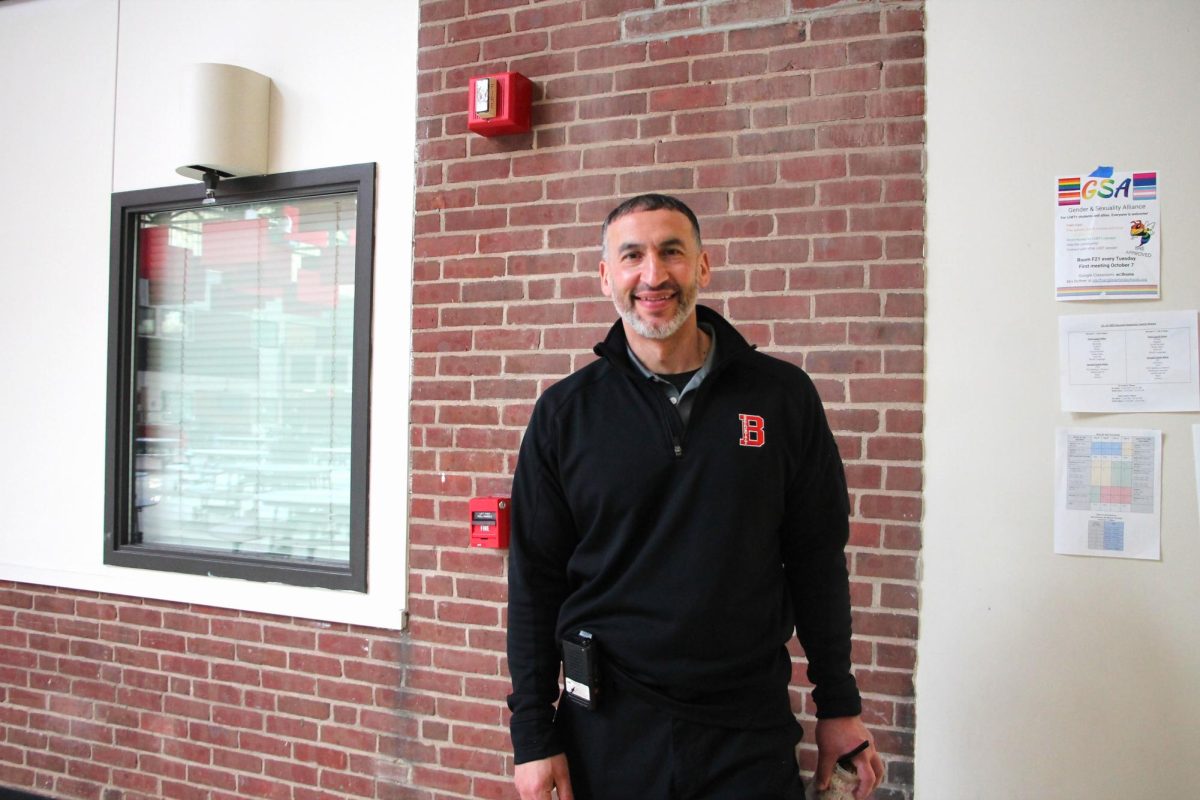
“I believe we should learn to work with AI rather than become dependent on it. AI can be extremely valuable if used appropriately, however it can not replace the fact that students still need to learn basic educational knowledge, critical thinking, problem solving, and communication skills,” explains Anthony Ruglio, a health and PE teacher.
Modern Civilization and Current Issues teacher David Trotta said the AI technology has raised many questions, but there is also so much uncertainty about it.
“AI is like the wild west, and this is for adults and kids alike,” Trotta said. “I don’t think that banning it is the best way to do things, but we should see if we can use it in a good way. AI is best for getting rid of menial tasks that don’t require creativity.”
“If properly used, AI can be beneficial to students, but if not regulated, it can kill creativity,” he said.
Tranberg has a similar view of the technology, though he emphasizes the importance of independent thinking, leaning more towards caution regarding AI usage in the classroom.
“What we really need to think about is what we value with cognition,” said Tranberg. “What we don’t know enough yet is, at what point do we stop thinking independently, and the AI is doing it for you.”
Discover more from Branford Buzz News
Subscribe to get the latest posts sent to your email.