
The Branford Board of Education (BoE) passed Superintendent Dr. Christopher Tranberg’s $72.7 million budget with some slight modifications, sending it along to the Representative Town Meeting (RTM) for final passage in late May.
The year’s budget, totalling $72.7 million, is up 5.1% over last year’s $69 million. Tranberg noted this increase is due to salaries, the implementation of universal free meals, as well as the electrification of an entire new bus fleet.
While the budget remains marginally higher than last year, significant changes are coming to the district next school year, specifically the high school.
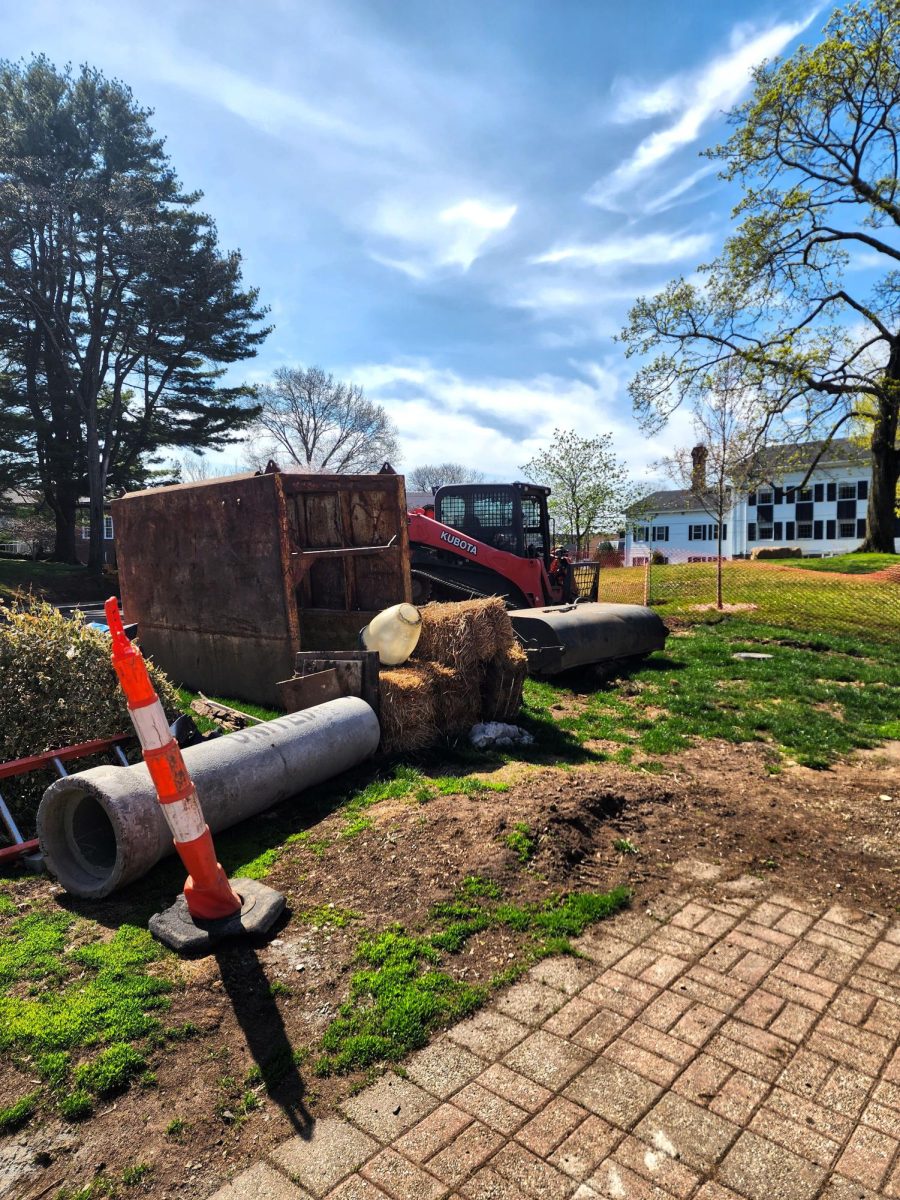
In the new budget includes the reduction of three BHS teaching positions and the extensive $11.5 million infrastructure remediation project with capital repairs set to begin this summer.
The status of Paul Sarrazin’s auto shop and its respective courses was also widely debated by the board, with the board voting to restore funding to the program into at least next school year – and keep Sarrazin’s part-time position teaching the auto courses as well.
Tranberg also noted the expansion of some programs in the budget at the high school, like the implementation of a full-time athletic trainer on campus, replacing the current part-time position.
Electric Bus Fleet
The bus company servicing Branford, Zum, specializes in student transit, as well as in implementing electric buses for their clients, including Branford which will switch their current diesel fleet to an all new set of electric buses for next school year.
The conversion to an electric fleet will bring on 46 new full sized buses, as well as keeping the current fleet of 13 electric vans.
“All districts [in the state] are supposed to be electrified by 2035 if they are an “Environmental Justice Community. We are one of eighty total and none of them have the capacity to do that, but us,” Tranberg said in an interview with The Branford Buzz.

The district received an $11 million grant from the federal government, as well as a few smaller grants, that supported the electrification fund, Tranberg said.
What puts Branford in the state of being able to electrify, and what leaves others unable to, are these grants that are no longer available to any district, according to Tranberg.
The new BYD buses are similar, if not identical, in capacity and size to the current diesel fleet. The buses will include air conditioning, as well as a silent ride thanks to the electric engines.
Universal Free Meals
Another new component to the budget, which the BoE added after Tranberg’s initial proposal, was the introduction of universal breakfast and lunch for all students in the district, regardless of income.
This new element would allow all district students to receive free breakfast and lunch. For school systems that meet or exceed the figure of 50% of the student body qualifying for free lunch, the state will directly subsidize part of the district’s cafeteria operating budget to support the free meals.
This enables some districts, like Bridgeport receiving these subsidies, to give free meals to all students.
“The difference between a Bridgeport and a Branford, [is that] Branford doesn’t automatically qualify, [since the student population receiving free meals is less than 50%], so we would have to subsidize that difference for it to be free and reduced for all,” Tranberg explained.
Since only 36% of students in the district qualify for the free meal program at present, the school receives less funding per meal. This system works on a scale: the more students that qualify, the more money the district receives to offset the cost of providing free meals.
Districts like Bridgeport qualify for the maximum reimbursement since their student population receiving free meals is above 50%, but Branford doesn’t, so the district would have to offset the rest of the cost to make meals free for all.
That cost to offset the amount totalled just shy of $400,000 in the budget.
Employee Salaries
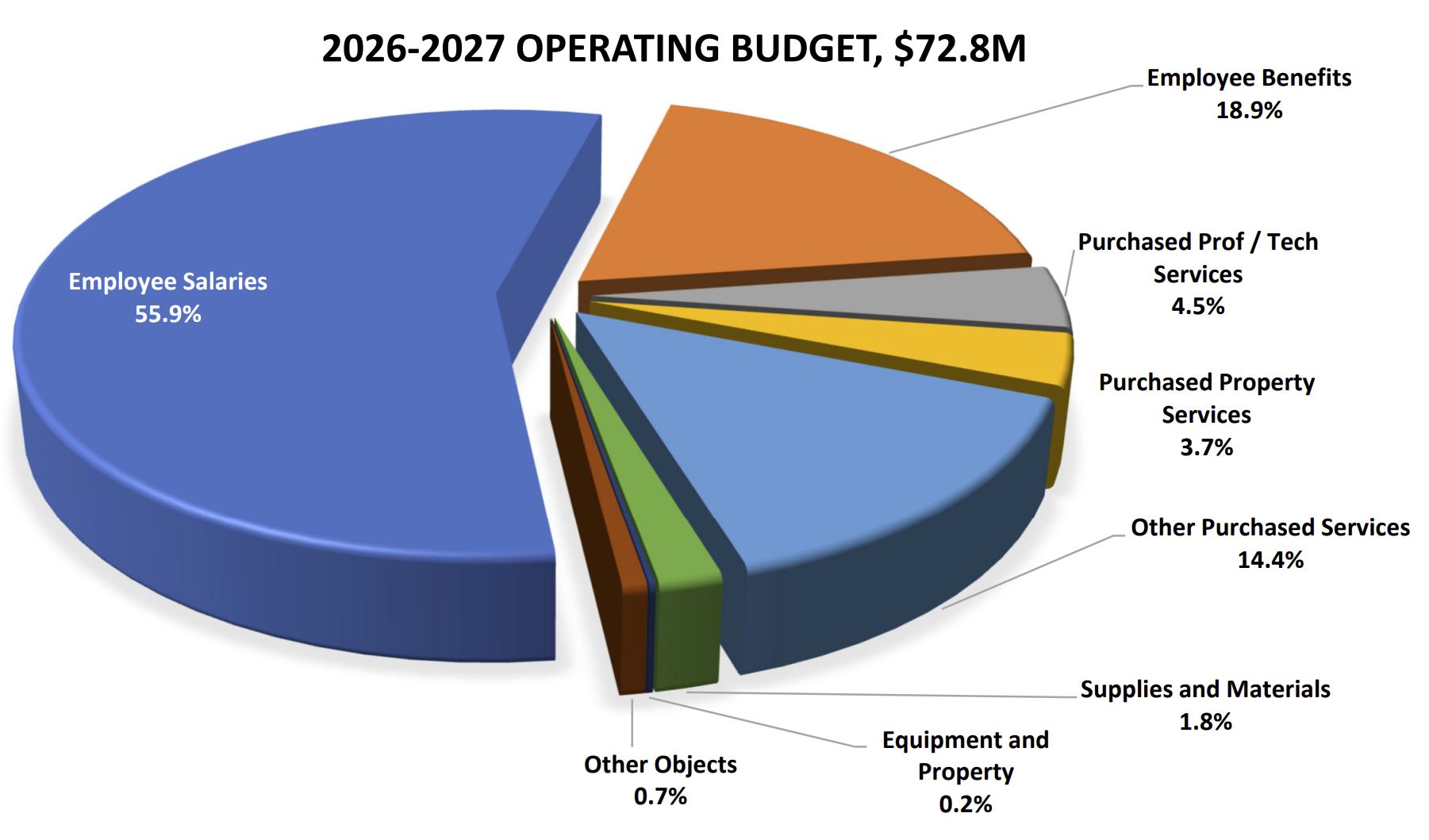
Salaries continue to be the cornerstone of all BoE budgets across the country. Branford is no different; the district has allocated $54.3 million, or about 74.8% of the budget, to employees’ salaries and benefits.
This figure is an increase over last year’s salary and benefit amount of around $51 million. This component in the budget staying rather consistent compared to last year, as Tranberg noted, is mostly due to unfilled positions, as well as “salary churn.”
“There are about ten positions in the budget that have not been filled and we’ve been doing fine so we won’t try to fill them since the district has functioned without them,” Tranberg explained.
Salary churn is, per the Superintendent, when senior role employees retire, the district finds new replacements who are usually less expensive than those who retired, contributing to a decrease in salary amounts.
For next school year, there will be seven less employees in the district than this year – three of those being at the high school.
The next step in the budget process is for it to go before the RTM before it is to be finalized in May by the town Board of Finance.
Discover more from Branford Buzz News
Subscribe to get the latest posts sent to your email.